Introduction: The Digital Revolution in Legal Services
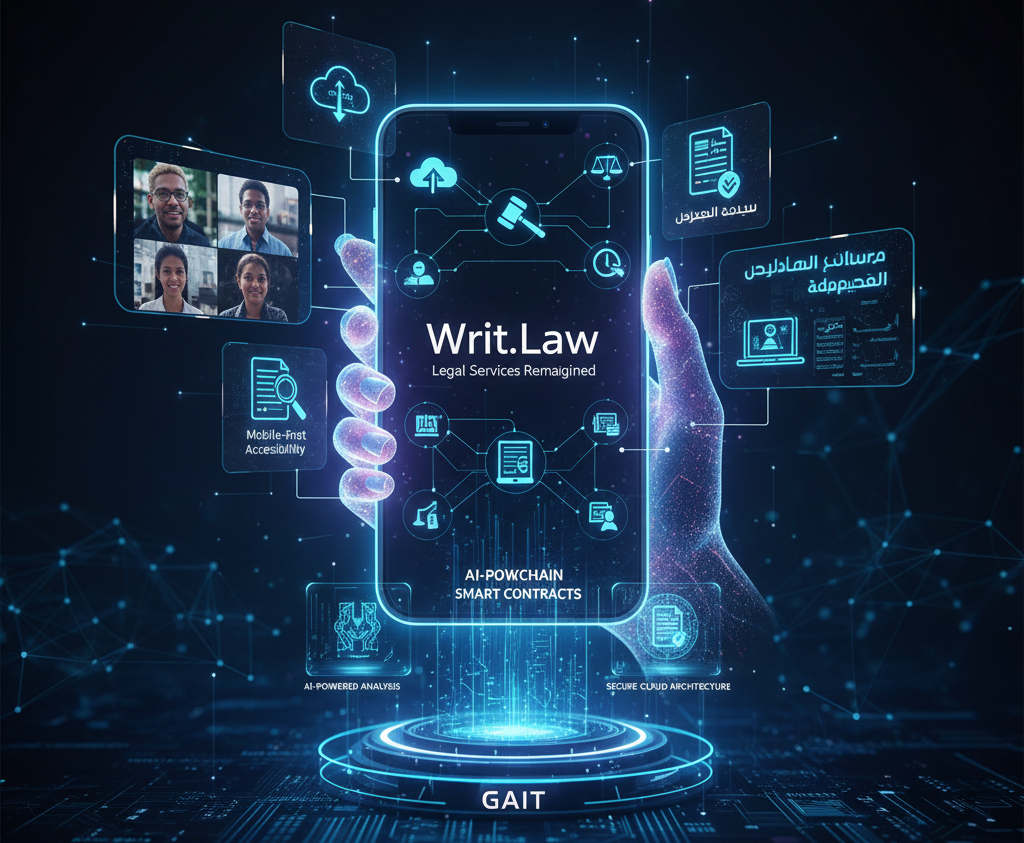
The legal industry, traditionally known for its reliance on paper-based processes and face-to-face consultations, is undergoing a profound digital transformation. With the rise of artificial intelligence, mobile technology, and cloud computing, legal services are becoming more accessible, efficient, and client-centered than ever before. At GAIT, we've witnessed firsthand how technology can revolutionize professional services through projects like Writ.Law, an all-in-one legal services platform that brings certified lawyers, contract management, and case tracking into a single, user-friendly mobile application.
This transformation isn't just about digitizing existing processes—it's about reimagining how legal services can be delivered to meet the demands of modern businesses and individuals in the digital age.
The Challenges Facing Traditional Legal Services
Before exploring the solutions, it's essential to understand the pain points that both legal professionals and clients face in traditional settings:
- Accessibility Barriers: Finding and connecting with qualified legal professionals often requires extensive research, personal networks, or costly referral services.
- Time-Consuming Processes: Scheduling consultations, reviewing documents, and tracking case progress typically involve multiple phone calls, emails, and in-person meetings.
- Language Limitations: In the Arab world, many legal tech solutions are available only in English, creating barriers for Arabic-speaking clients and professionals.
- Document Management Challenges: Managing contracts, legal documents, and case files through traditional methods leads to inefficiencies and increased risk of errors or loss.
- Lack of Transparency: Clients often struggle to track the progress of their cases or understand the status of their legal matters in real-time.
How Technology Is Reshaping Legal Services
1. Mobile-First Accessibility
Mobile applications are democratizing access to legal services by putting comprehensive legal support directly in users' hands. Modern legal tech platforms enable clients to browse lawyer profiles, check credentials, read reviews, and book consultations—all from their smartphones. This mobile-first approach eliminates geographical barriers and makes legal services available 24/7, fitting seamlessly into clients' busy schedules.
2. AI-Powered Document Analysis and Contract Review
Artificial intelligence is transforming one of the most time-intensive aspects of legal work: document review. AI algorithms can analyze contracts, identify potential issues, flag non-standard clauses, and suggest improvements in a fraction of the time it would take human reviewers. This doesn't replace lawyers but rather empowers them to focus on high-value strategic work while AI handles routine analysis.
3. Intelligent Case Management Systems
Modern legal platforms incorporate sophisticated case management features that provide real-time updates, automated notifications, and transparent tracking of case progress. Clients no longer need to wonder about the status of their legal matters—they can access comprehensive dashboards that show every milestone, deadline, and development.
4. Localization and Cultural Adaptation
For legal tech to succeed in the Arab world, it must go beyond simple translation. Effective platforms integrate Arabic language support at every level, accommodate regional legal frameworks, and respect cultural preferences in communication and service delivery. This localization is crucial for widespread adoption and user satisfaction.
The GAIT Approach: Building Legal Tech That Works
At GAIT, our approach to developing legal technology solutions combines technical excellence with deep understanding of user needs and market dynamics. When building platforms like Writ.Law, we focus on several key principles:
User-Centric Design
We start by understanding the complete user journey—from the moment someone realizes they need legal help to the resolution of their case. Every feature is designed to reduce friction, increase clarity, and enhance the overall experience for both clients and legal professionals.
Robust Security and Privacy
Legal matters involve highly sensitive information. Our platforms incorporate enterprise-grade security measures, including end-to-end encryption, secure authentication, and compliance with data protection regulations. We understand that trust is the foundation of any legal relationship, and our technology is built to protect that trust.
Scalable Architecture
We build legal tech platforms on cloud-native architectures that can scale seamlessly as user bases grow. Whether serving hundreds or hundreds of thousands of users, our systems maintain performance, reliability, and responsiveness.
Integration Capabilities
Modern legal platforms don't exist in isolation. We design our solutions to integrate with payment gateways, document management systems, calendar applications, and communication tools, creating a comprehensive ecosystem that supports the entire legal service delivery process.
The Business Impact of Legal Tech Transformation
Organizations that embrace legal technology solutions experience tangible benefits:
- Reduced Operational Costs: Automation and digitization significantly reduce administrative overhead and paper-based processes.
- Improved Client Satisfaction: Faster response times, transparent communication, and convenient access lead to higher client satisfaction and retention.
- Expanded Market Reach: Digital platforms enable legal professionals to serve clients beyond their immediate geographical area.
- Enhanced Competitive Advantage: Early adopters of legal tech differentiate themselves in increasingly competitive markets.
- Better Resource Allocation: By automating routine tasks, legal professionals can dedicate more time to complex, high-value work.
Looking Ahead: The Future of Legal Tech
The evolution of legal technology is accelerating. Emerging trends include predictive analytics that can forecast case outcomes, blockchain-based smart contracts that execute automatically when conditions are met, and virtual reality courtrooms for remote proceedings. Natural language processing will continue to advance, enabling more sophisticated document analysis and even AI-powered legal research assistants.
For businesses and legal professionals in the Middle East and North Africa region, now is the time to embrace these innovations. The organizations that invest in digital transformation today will be best positioned to thrive in tomorrow's increasingly digital legal landscape.
Conclusion: Partner with GAIT for Your Legal Tech Journey
At GAIT, we don't just build software—we architect digital solutions that transform how professional services are delivered. Whether you're a legal firm looking to digitize your operations, an entrepreneur with a vision for disrupting the legal services market, or an organization seeking to improve how you manage legal matters, we have the expertise and experience to bring your vision to life.
Our track record with platforms like Writ.Law demonstrates our ability to create sophisticated, user-friendly applications that solve real problems and deliver measurable value. From initial strategy and design through development, testing, and ongoing support, we're your integrated technology partner for success in the digital age.
Ready to explore how technology can transform your legal services? Contact GAIT today to discuss your project and discover how we can help you bridge the gap between ambition and technological excellence.