A New Generation of Cities Needs a New Generation of Software
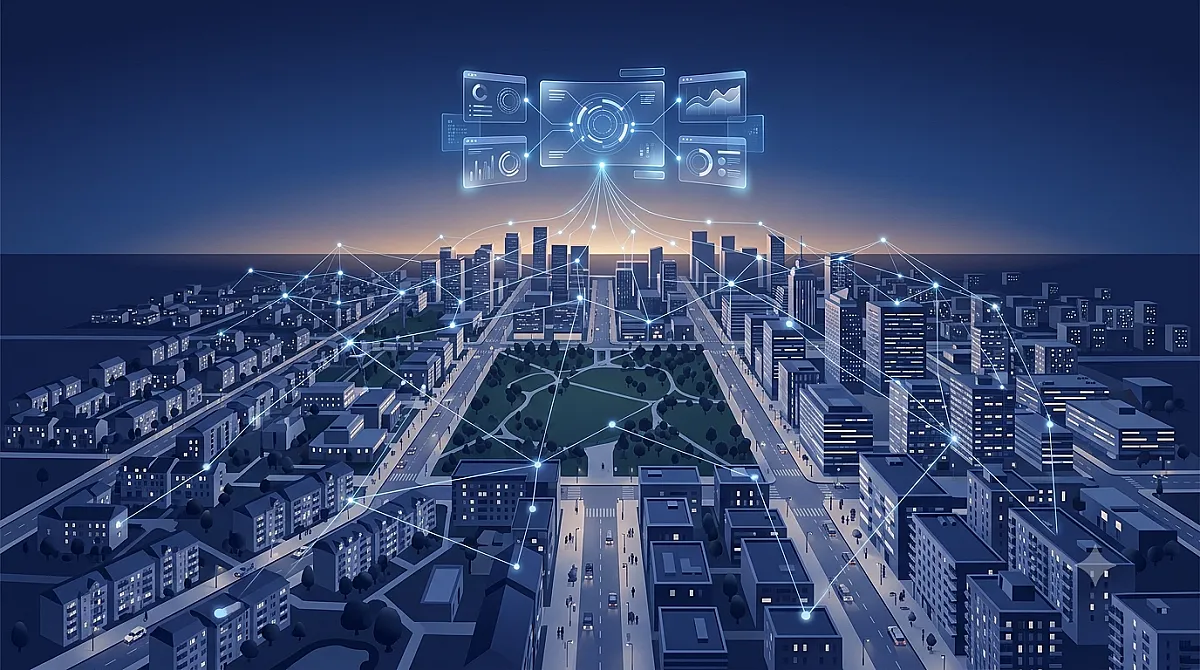
Egypt and the wider region are in the middle of the largest urban expansion in their history. New cities, gated communities, and mixed-use developments are being delivered at a pace that traditional management methods — paper logbooks, spreadsheets, and endless WhatsApp groups — simply cannot keep up with. A city is no longer just streets and buildings; it is a living operation that serves thousands of residents every single day.
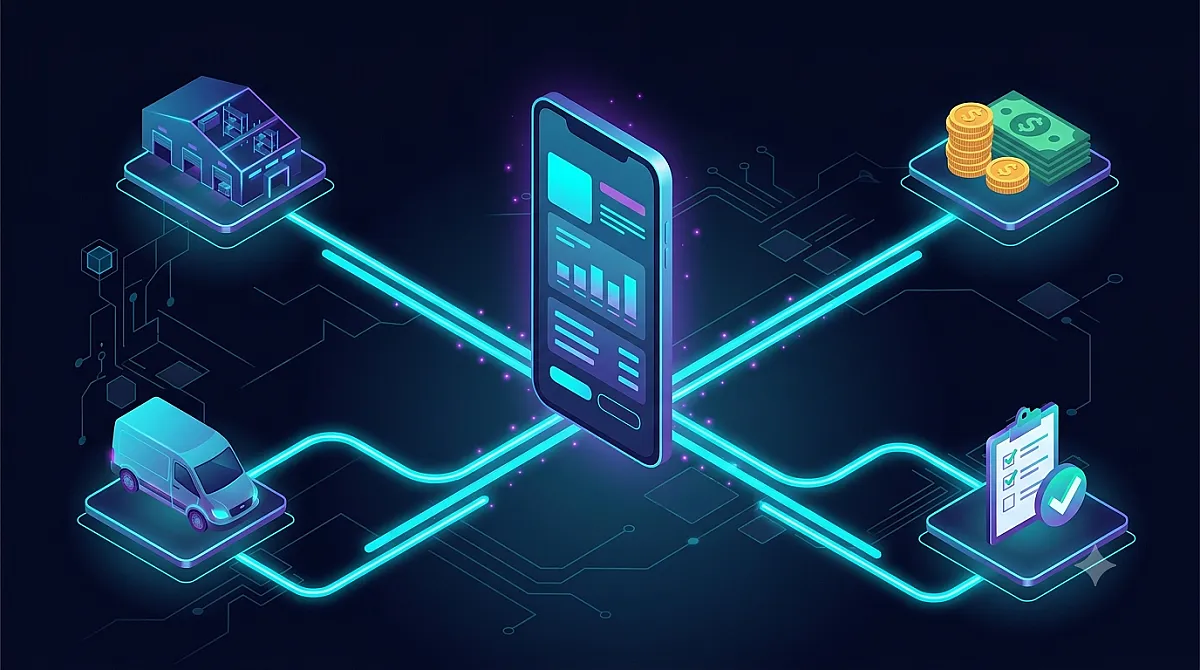
This is where smart city management software comes in: a unified digital platform that connects residents, services, field teams, and decision-makers on one system, with one source of truth.
The Four Layers of a Smart City Platform
At GAIT, after building service platforms for urban communities, we think of any serious smart city system as four connected layers:
1. The Resident Experience Layer
A mobile app in every resident's pocket: verified accounts, service requests, visitor permits, community news, and a direct channel to management. If residents still have to call a landline or walk to an office, the city is not smart yet. We go deeper into this layer in our article on compound and residential community management.
2. The Service Delivery Layer
Every request — a cleaning complaint, a maintenance ticket, a permit — becomes a tracked digital work order with an owner, a deadline, and a status the resident can see. Nothing gets lost in a notebook or a chat thread.
3. The Operations & Workforce Layer
Cleaning crews, security teams, maintenance technicians, and landscapers are the hands of the city. Digital scheduling, task assignment, and proof-of-work turn them from an invisible cost into a measurable, accountable operation. We dedicated a full article to workforce and facility operations management.
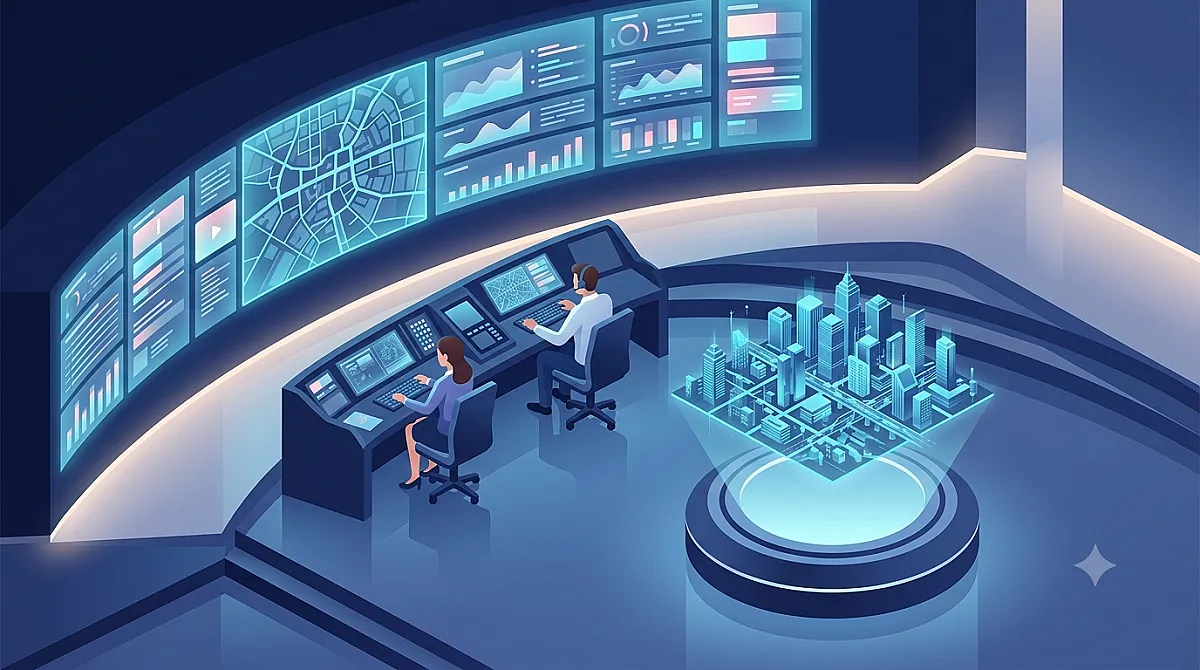
4. The Command & Decision Layer
All of the above feeds a live operations room: dashboards, alerts, KPIs, and escalation paths that let management see the whole city on one screen and act before small issues become public complaints. Read more in The Operations Room: The Beating Brain of a Smart City.
Why Developers Are Moving Now
- Resident expectations have changed. People who order food and taxis from an app will not accept managing their home through paper forms.
- Scale breaks manual systems. A community of 500 units can survive on WhatsApp; a district of 20,000 units cannot.
- Operating costs are under pressure. Digital work orders and workforce tracking routinely cut response times and eliminate duplicated effort.
- The platform is a selling point. Developers now market the app and the service experience as part of the unit itself.
What "Good" Looks Like
From our experience delivering these platforms, three qualities separate systems that get adopted from systems that get abandoned:
- One unified data model — residents, units, buildings, requests, and staff in one system, not five disconnected tools.
- Arabic-first, bilingual by design — full RTL interfaces for residents and staff, with English available for management and investors.
- Mobile-first for residents, dashboard-first for operations — each audience gets the interface that fits how they actually work.
Where to Start
You do not need to digitize everything on day one. The winning pattern we have seen: launch the resident app and service requests first, wire in the workforce layer second, then light up the operations room once real data is flowing. Each phase pays for the next.
This article is the first in GAIT's Smart Cities series. Continue with compound management, workforce operations, the operations room, and how to choose your technology partner — or start your project with GAIT today.