The Workforce Nobody Sees — Until Something Goes Wrong
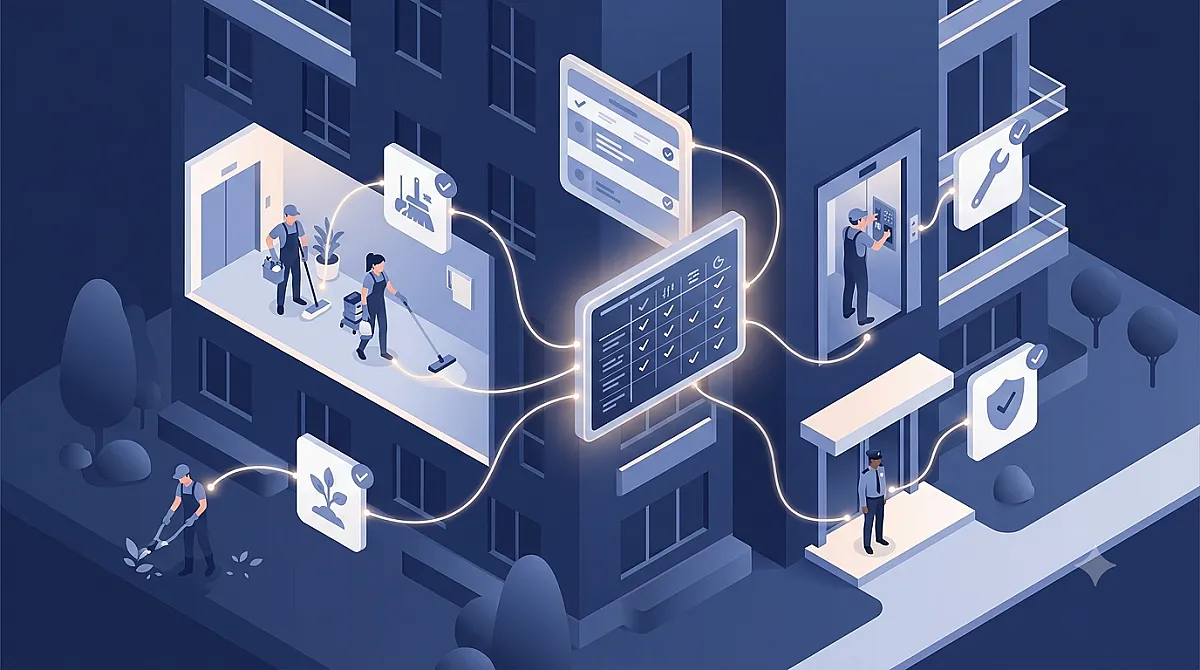
Every well-run community sits on top of hundreds of daily tasks: corridors cleaned, elevators serviced, gardens watered, gates manned, pumps checked. When it works, nobody notices. When one task slips, it becomes a complaint, then a social-media post, then a reputation problem for the developer.
Most operators still manage this workforce with paper checklists and verbal instructions. The result is predictable: no one can say with confidence what was done, by whom, when, and to what standard.
What Digital Workforce Management Actually Changes
Scheduling that people can see
Shifts and recurring tasks — daily cleaning rounds, weekly elevator checks, monthly pest control — live in the system, not in a supervisor's head. Residents can even see their building's schedule, which turns "nobody ever cleans here" arguments into a shared, visible plan.
Work orders instead of verbal orders
Every resident complaint from the community app and every internal inspection finding becomes a work order: assigned to a specific technician, with a priority, a deadline, and a full history. Nothing depends on someone remembering a phone call.
Proof of work
Field teams close tasks with photos and timestamps from their phones. Supervisors verify remotely instead of walking every corridor. Disputes about whether a job was done disappear — the evidence is in the record.
Performance you can manage
Response time per team, completion rate per contractor, repeat-complaint rate per building — once the work is digital, the numbers exist. Underperforming contractors are renegotiated with data, not impressions.
The Payoff for Operators and Developers
- Faster response times — requests route directly to the right crew instead of passing through three phone calls.
- Lower operating costs — duplicated trips and idle time surface immediately in the data.
- SLA enforcement — facility-management contracts finally have objective numbers behind them.
- Happier residents — the same teams, better choreographed, produce visibly better service.
Connected, Not Isolated
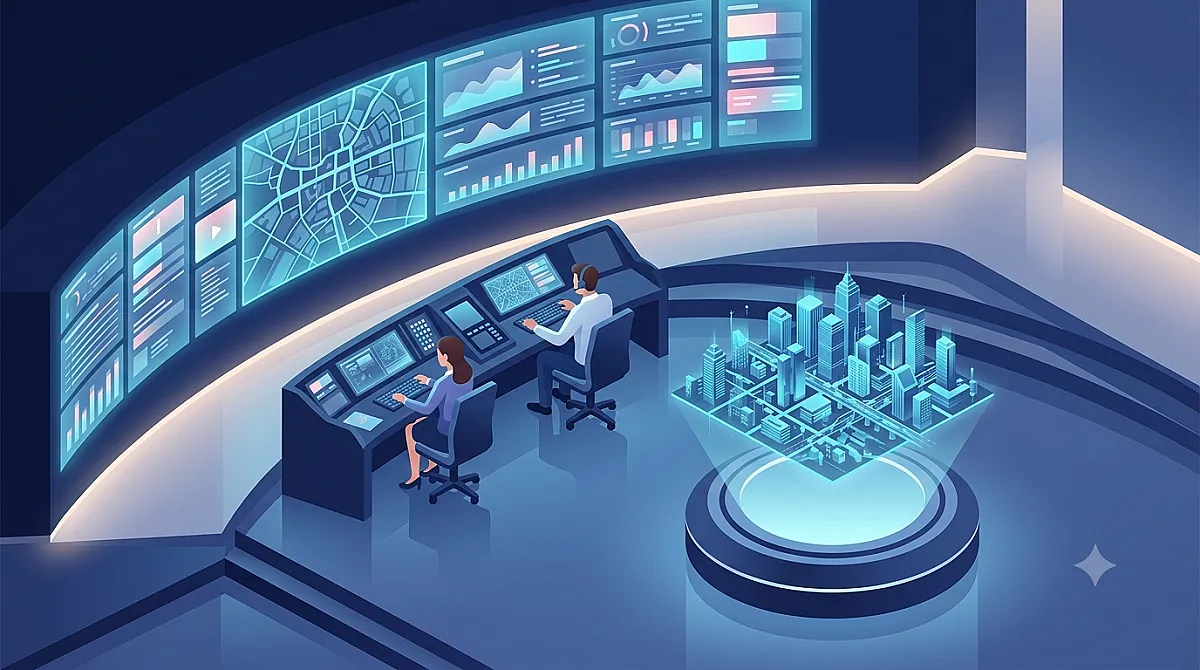
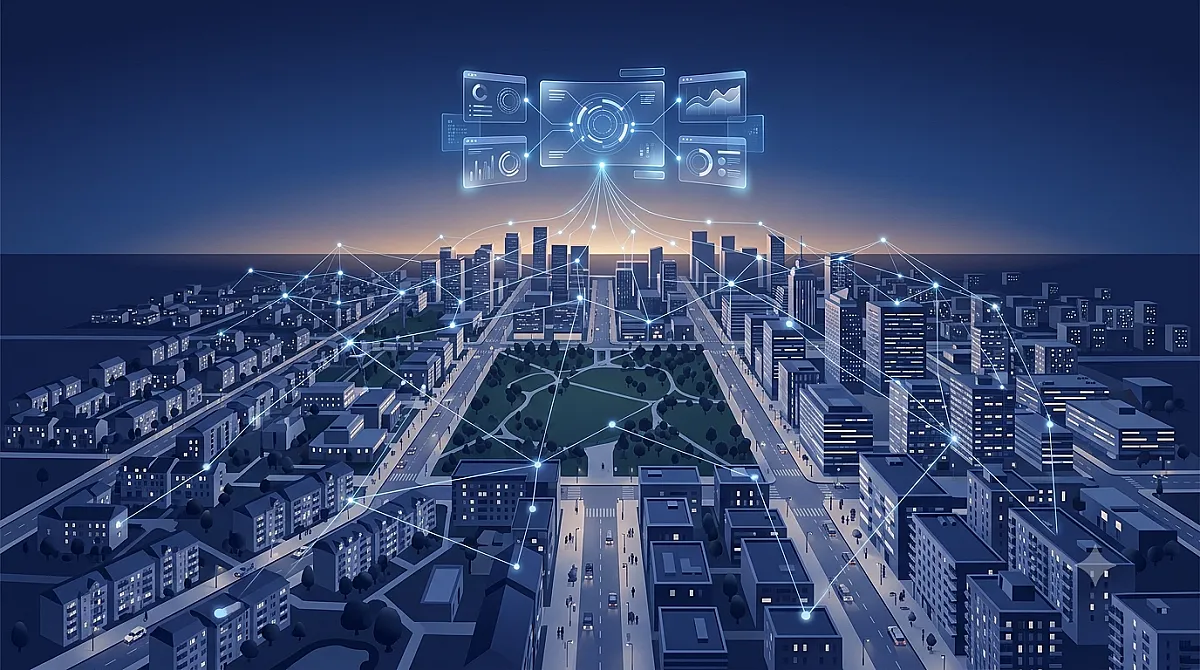
Workforce management delivers its full value only when it is wired into the rest of the smart city platform: complaints flow in from residents, and live task status flows up to the operations room, where management watches the whole machine run. That command layer is the next article in this series.
Ready to make your operation measurable? Start your project with GAIT.